
BRUNCH
WITHOUT
BORDERS
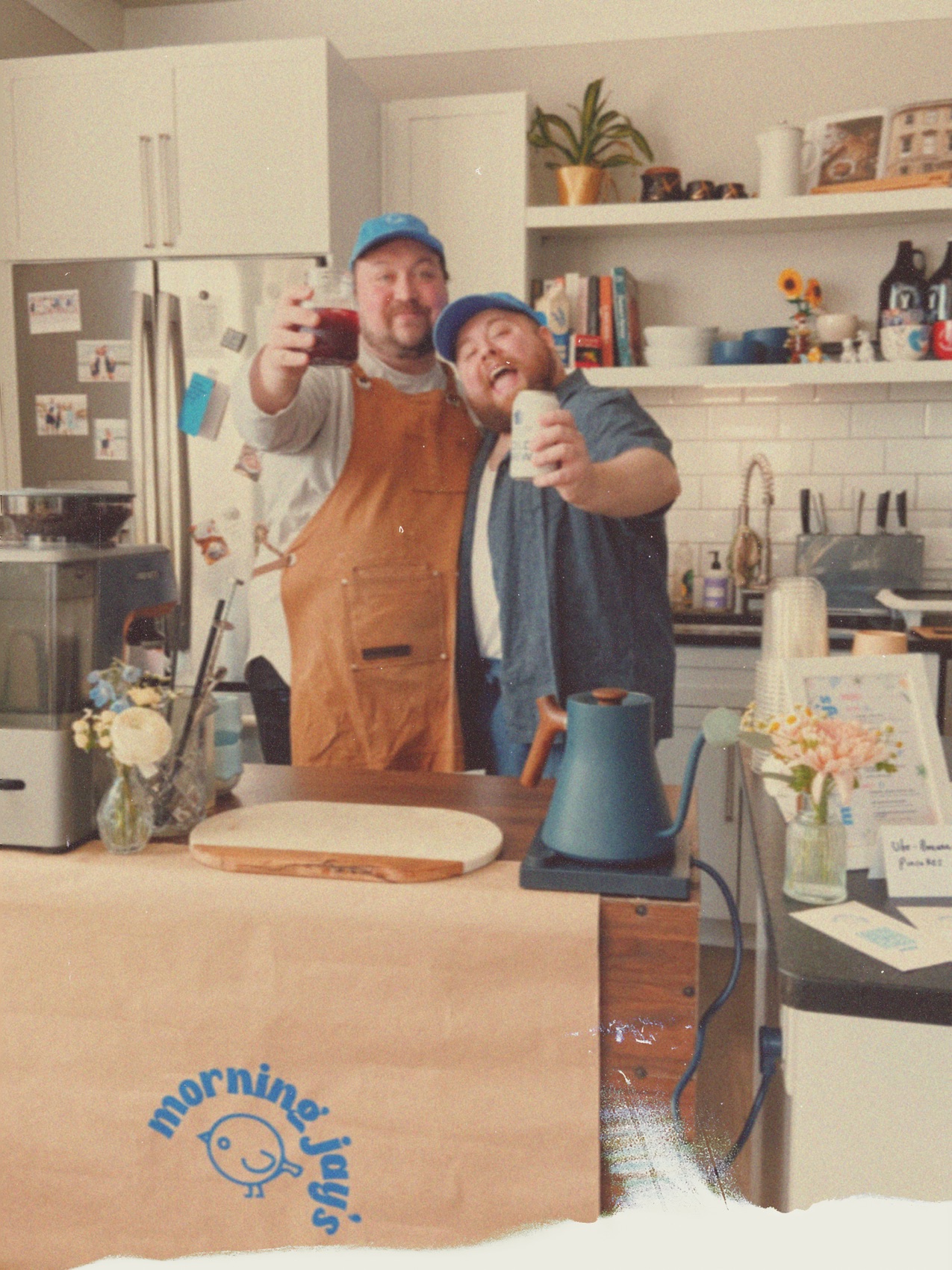
As the Chicago food industry evolves, the Morning Jay's
reimagines what brunch can mean for the city
Image courtesy of the Morning Jay's
the
Early Bird
Gets the Worm
On a perfect, balmy morning in Wicker Park, the ajar windows on the very top floor of the Flatiron Building let in a light breeze that made the yellow and white pinstriped tablecloth flutter softly.
It was perfect weather for a cozy brunch.
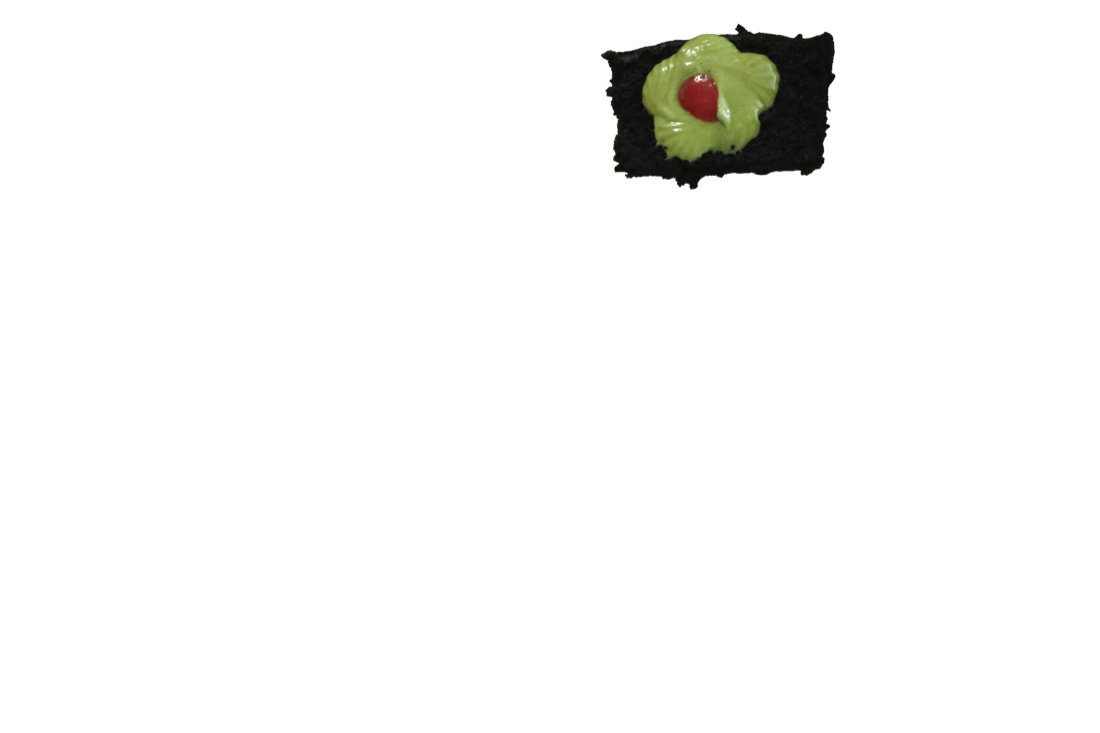
Across from the windows, a colorful spread of baked goods and savory ingredients drew the eyes. Hand-piped earthy green flowers with strawberry-pink centers rested on top of loaf slices that revealed a deep brown color, and cookies with mesmerizing chocolate swirls sprinkled with salt flakes left the mouth salivating. On the left, tubs of pumpkin seeds, fiery red peppers and fresh orange mandarin slices lay organized in rows.
These items and ingredients — all carefully selected from handpicked grocery stores across Illinois — belonged to Nate Crawford and Justen Lambar, founders of the brunch pop-up business the Morning Jay's.
Since 2024, this duo has hosted numerous iterations of similar gatherings, gaining traction for what they've named cozy cafes. Over the past two years, they've held 14 cozy cafes and 14 public pop-ups in and around Chicago, currently organizing around three to four events per month.
The Morning Jay's brunch business has succeeded in crafting the pop-up experience into a third space for people all over the city. As the COVID-19 pandemic shed light on social connection, the longing for third places — areas people can informally gather and linger — has grown stronger.
That sense of community is at the core of Crawford and Lambar's brand. Popping up everywhere from apartments to studio spaces, these cozy cafes allow food to transcend neighborhood boundaries, creating connections wherever they go. Amid growing challenges in Chicago's food scene, the pair is currently redefining what brunch culture can mean for those in search of a meaningful community centered on delicious meals.
"I can train anybody on how to bake a thing, ice a thing, serve a thing, but you can't teach the art or love of hospitality," Crawford said. "I think the art of nourishing is really important work, especially now — to have a space where folks of all kinds are able to come in, enjoy our food, meet other folks and feel this communal space."
This purpose took shape ever since Lambar and Crawford's first date, after the pair matched on Tinder. As self-taught chefs and bakers, they said they instantly connected over food.
This teamwork remains visible years later. With similarly scruffy beards and matching T-shirts with the blue Morning Jay's logo in the right corner, they can be found hustling around their impromptu kitchens. Crawford takes on the sweet side of the menu, baking pastries and desserts, while Lambar cooks the savory dishes. Together, they offer the best of both worlds at every cozy cafe, which usually costs $60-$75 per person for all-you-can-eat.
Originally, the couple experimented with selling their dishes at farmers' markets and even dabbled with creating a joint cooking and food photography course called Cook and Capture. While none of these ventures stuck, their cozy cafes first began as a way to test reactions to their food.
Drawing inspiration from apartment parties seen on TikTok, Lambar and Crawford hosted their first gathering in their Des Plaines home. The inaugural menu included their now signature breakfast sandwiches and triple chocolate and espresso cookies. To their surprise, everything from the menu to the ambiance received much love from the folks they invited, Lambar said.
Continuous positive reactions from family and friends kickstarted their journey, which has grown in both scale and impact over the past two years. With over 14,000 followers on Instagram and 1,375 subscribers on their Substack, the Morning Jay's continues to gain traction.
As the two navigate Chicago's rich food scene, their journey also reflects the growing appetite for non-traditional food ventures.
"There is a lapse in the market for people being intentional, but there is a natural tendency for us to serve good food, real food, and we'd really like to fill that gap," Lambar said.
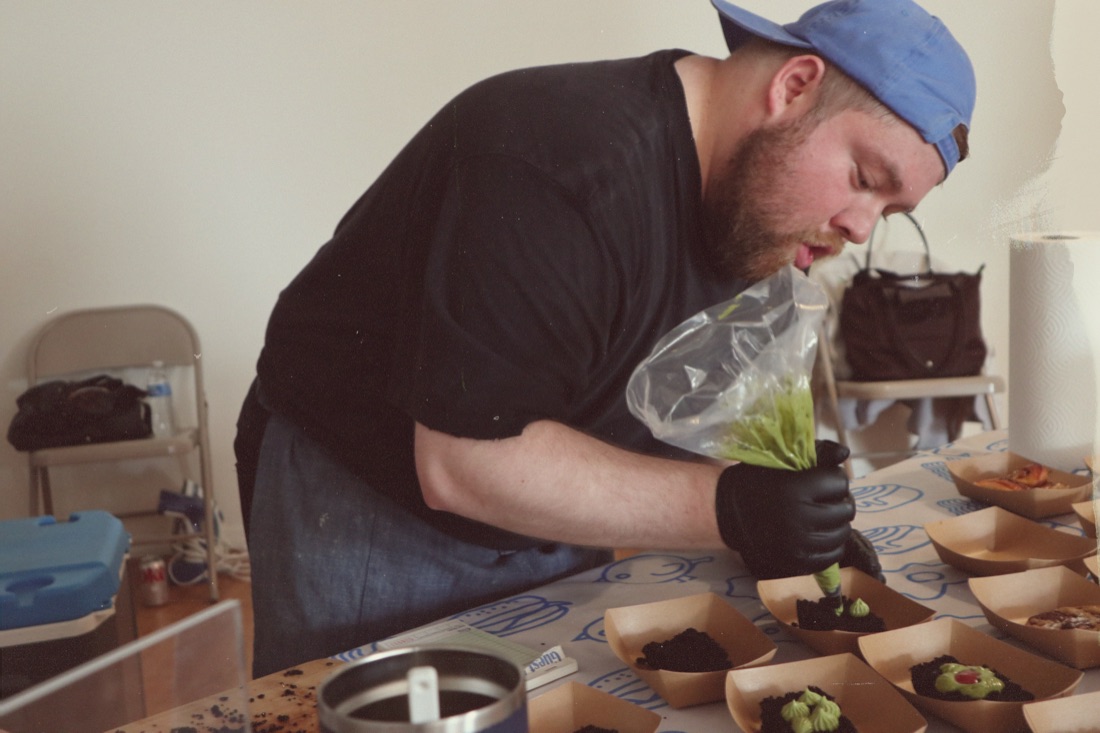
Nate Crawford meticulously pipes the finishing touches of whipped matcha cream cheese onto the chocolate-hojicha loaf cake, which was one of the dessert options offered at the May 17 cozy cafe held at the Flatiron Building in Wicker Park. | Jaimie Chun

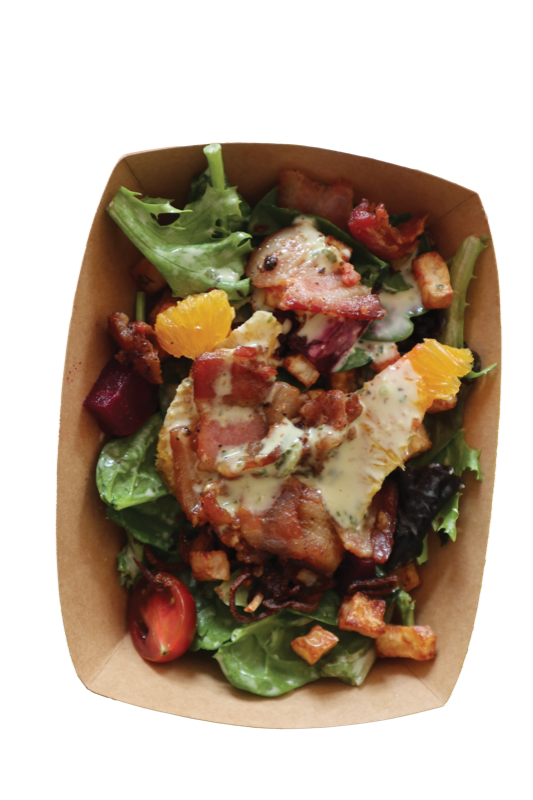
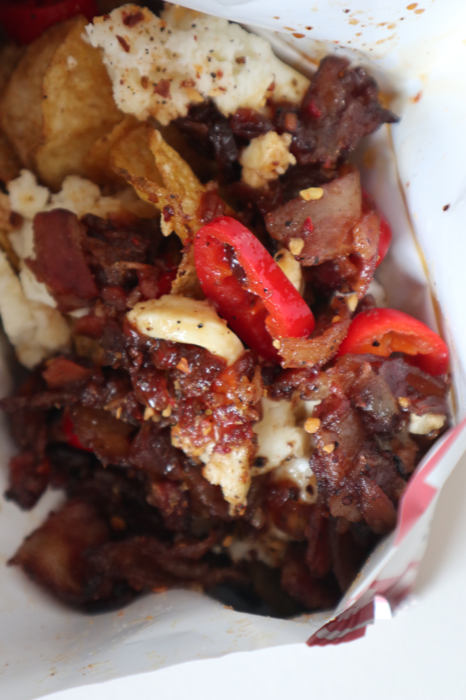
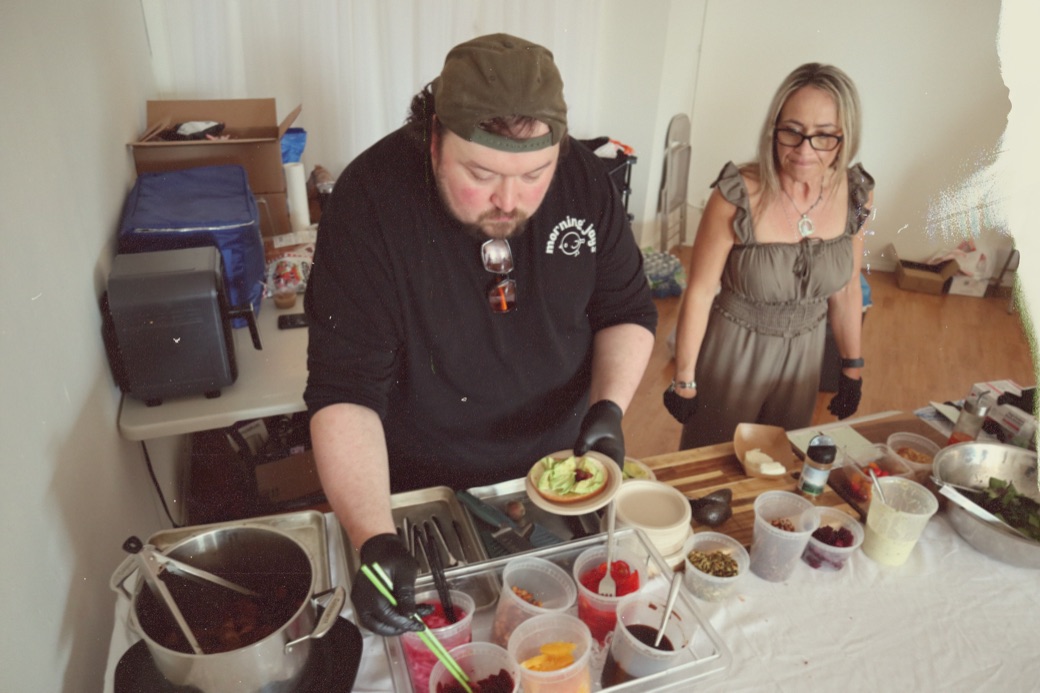
Justen Lambar (left) plates Millennial Delight, his version of avocado toast on sourdough. His mom, Tanda Lorenz, who came to assist Lambar and his partner, stands beside him to serve out the dish when ready. | Jaimie Chun
Beyond the Storefront
For years now, Chicago has simultaneously positioned itself as an incubator for pop-ups and emerging food concepts while still maintaining regulations and industry structures deeply rooted in protecting traditional brick-and-mortar restaurants.
In contrast to cities like Los Angeles that have long led the charge with food trucks and pop-ups, Chicago maintained a far more restrictive environment largely because of tax reasons, making it difficult to even sell meals cooked from home, former dining critic at the Chicago Tribune Nick Kindelsperger said.
"I felt guilty and had that same kind of issue writing about some street food stands in Chicago with extremely strict street food laws because what if the cops show up and take their street cart with them because it doesn't have the right sticker or something," said Kindelsperger, who currently runs his personal food-focused Substack, Nick in the Loop.
On the other hand, in 2018, Chicago Mayor Rahm Emanuel signed an ordinance that enabled restaurants to sign leases as brief as five days, according to an Eater article. This was part of a larger effort to support Chicago chefs in potentially creating long-term restaurants. Just a few years later, the COVID-19 pandemic further accelerated the shift, as restaurant closures and layoffs prompted displaced chefs toward pop-ups.
In fact, more than 385 food businesses closed in Chicago during the pandemic, according to a University of Illinois Chicago study. Concurrently, the number of pop-ups grew 105% in 2021-2022, according to a Vox online article.
While developing the Morning Jay's, Crawford said he resonated more strongly with the latter trend, describing Chicago pop-up laws as "ahead of its time." Mall closures, more people choosing to hibernate in their homes and the multiplying number of ghost kitchens — food operations that solely fulfill delivery and takeout orders — have signaled a broader shift in how people gather, dine and experience food.
"What's new in the past decade is really the amount of work, the amount of architecture and creativity that has gone into pop-ups," said Mark Rosenbaum, a marketing professor at The Citadel.
The Morning Jay's has taken this creativity and architecture even further with its business. In a recent collaboration with Thai-inspired bakery Kinsco, Lambar and Crawford invited guests to their home in Oak Park. Baked goods, such as caramel banana tarts and mango sticky rice cookies, alongside some savory dishes, including Thai sausage breakfast sandwiches, lined the countertops. Additionally, custom coloring pages were scattered around the living room as visitors scrabbled away as they ate, drank and chit-chatted.
Several other factors have also led the Morning Jay's to remain mobile rather than establish a storefront. Chicago's ever-increasing rent prices make it increasingly difficult for eateries to stay afloat, and skyrocketing food prices have become the main driver for restaurant owners' existential crisis, Kindelsperger said.
Food prices in April 2026 were 3.2% higher than in April 2025, according to the U.S. Department of Agriculture. For example, beef prices have risen 51% since February 2020, according to the Bureau of Labor Statistics. Kindelsperger also said the uncertainty created by President Trump's tariff announcements creates erratic ripple effects throughout the food market.
"Over the last year, [prices have] been climbing so rapidly — it's very discouraging," Crawford said. "This and the current interest rates make borrowing very challenging, especially for small businesses. It makes it harder to really plan out a future for Morning Jay's when many options for a storefront are out of reach financially."
As a result, the founders have embraced their nomadic setup, which allows them to sidestep the financial pressures of a traditional restaurant and preserve full creative and operational control over every aspect of their business. Whenever inspiration strikes, Lambar and Crawford pull up their running notes document, jotting down new flavor combinations, sketching out new textures and refining recipes.
"The best parts of it are the freedom, the choice," Crawford said. "We're artists first … it's always a community of learning."
385
FOOD BUSINESSES CLOSED IN CHICAGO BETWEEN 2020-2021 BECAUSE OF THE COVID-19 SHUTDOWN
Locations of all pop-ups and cozy cafes the Morning Jay's hosted since January 2026.
Made with Atlist
3.2%
FOOD PRICES ARE
HIGHER THAN A YEAR AGO
"
The best parts of it are the freedom, the choice. We're artists first ... it's always a community of learning.
"
A Side of Community &
the Art of Hospitality
While people often leave without ever knowing the face of the chef who cooked their meal, at the Morning Jay's makeshift brunch cafes, this barrier immediately dissolves. With an open kitchen, guests watched as Lambar routinely turned around to pop dishes into his air fryer and occasionally stirred the bacon cooking on top of his portable stove. Similarly, Crawford, with his face only inches away from the cinnamon roll, piped a generous layer of his custom Chinese five-spice frosting on top of the bun.
Their dedication has resonated with Chicagoans and the popularity was reflected when the Morning Jay's placed second in the Chicago Reader's Best of Chicago 2025.
"These are languages of love," Crawford said, "and how we do that and approach that I think is just ingrained in us."
The Morning Jay's has also crafted a strong community in the digital space, primarily through its Substack. That's how Lauren Bauer, who's from Logan Square, first discovered the Morning Jay's. The cozy cafe held at the Flatiron Building marked her second visit to the Morning Jay's pop-up. This time around, she brought along her husband, Cole Mariottini.
"You can tell how much intention they put into the menu, so I feel very taken care of as somebody who is coming and enjoying it, and then also wanting to support them," Bauer said.
As a newcomer to the cozy cafe, Mariottini said the Morning Jay's concept immediately resonated with him.
"I think we're in a transitioning time period, a rebellion against big corporations and more drawn to people with personal power," Mariottini said.
The sense of community extends beyond just visitors.
Samantha Boehlen has collaborated with the Morning Jay's for about a year and a half now as an event planner and owner of the Boehlen Château, the name of the studio space in the Flatiron Building, where the most recent cozy cafe took place. Together, they filled the bare room with two rows of folding tables decorated with small vases of pink and red flower buds and berries. This atmosphere, similar to that of a summer picnic, complemented the Morning Jay's sweet & savory menu.
Reflecting the community-building atmosphere, Boehlen found herself in several conversations with guests, some of whom came up to her to pitch business ideas, like offering to do embroidery for her future events. Instagram handles are exchanged, and promises to follow up are made.
"I always say, don't go into community events if you're trying to get rich," Boehlen said. "But it's still so worth it."
With the same energy and spirit Crawford and Lambar started their business, the duo is eager to expand its reach. Upcoming goals for the pair include wholesaling their signature breakfast sandwiches to cafes so that they can be sold over the counter and releasing frozen cookie dough as consumer packaged goods in grocery stores.
"We have dreams and aspirations," Crawford said. "We really want to do flavor-forward, community-first, hospitality-driven because there are so many things that help nourish people's mental states and bodies."
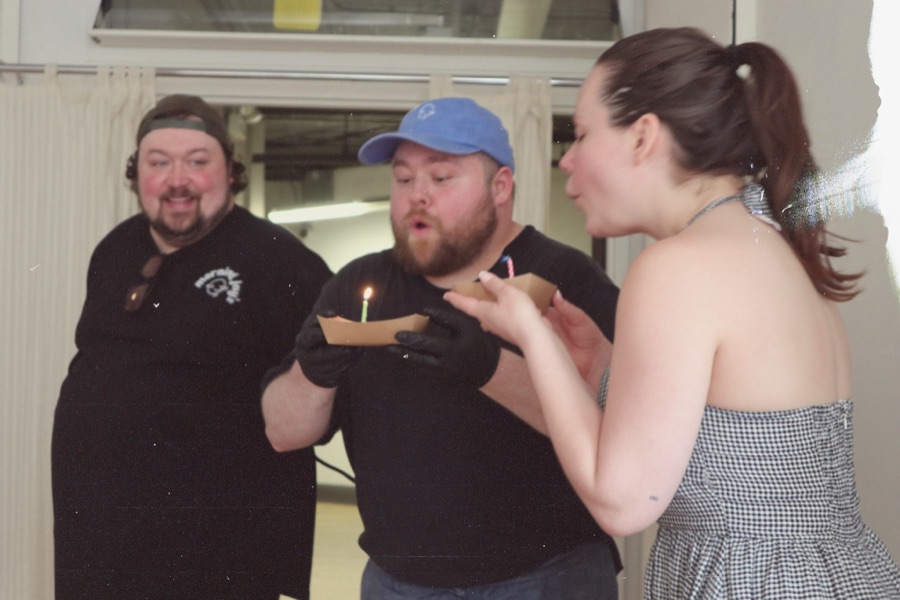
The Morning Jay's co-founder Nate Crawford (middle) and event planner Samantha Boehlen blow out candles for their joint birthday celebration while Justen Lambar (left) stands beside in support. | Jaimie Chun
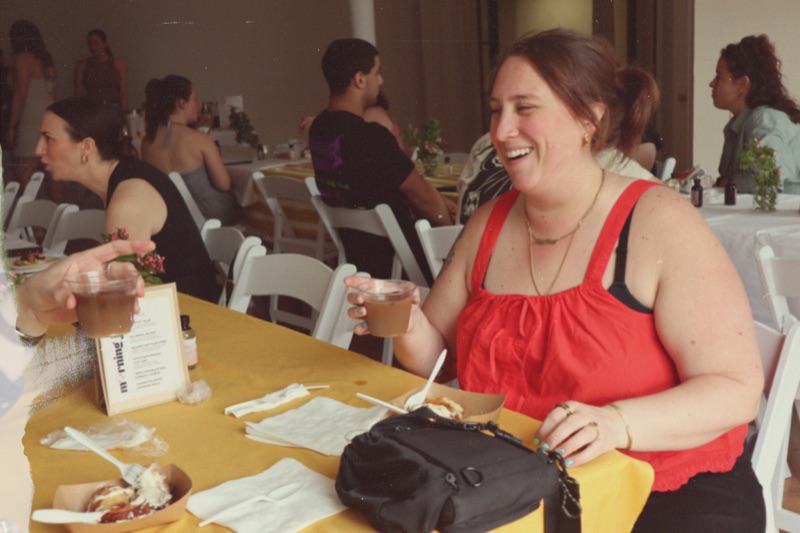
Lauren Bauer engages in a lively conversation with her husband over brunch at the Morning Jay's cozy cafe. After discovering the pop-up through Substack, Bauer said she was eager for her second visit to the pair's pop-up. | Jaimie Chun
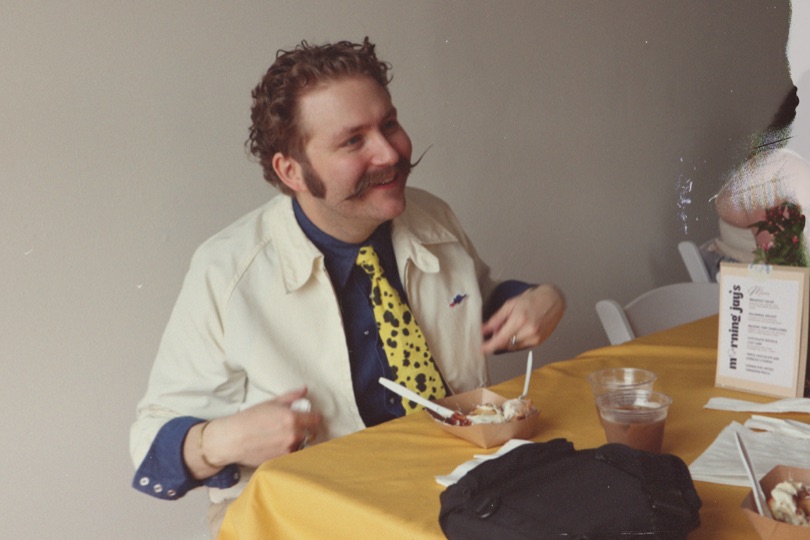
Cole Mariottini tries Crawford's Chinese five-spiced cinnamon rolls while conversing with his wife Bauer. | Jaimie Chun